
Elevate your home with stunning kitchen remodel ideas in NJ. Discover fresh designs and trends that blend style and functionality to transform your space.
Kitchen remodeling is more than just an aesthetic upgrade; it's an investment in the heart of your home. In New Jersey, where homes often reflect a blend of historical charm and modern elegance, updating your kitchen can significantly increase your property’s value. A well-designed kitchen not only enhances the visual appeal of the space but also improves functionality, making everyday tasks easier and more enjoyable. Whether you’re preparing meals, entertaining guests, or spending time with family, a remodeled kitchen can transform these activities into delightful experiences.
Moreover, New Jersey homes face unique challenges such as varying weather conditions, which can affect the wear and tear of kitchen materials. Remodeling allows homeowners to replace outdated or damaged elements with more durable and efficient options. This not only enhances the longevity of the kitchen but also contributes to a healthier living environment by incorporating modern, eco-friendly materials and appliances. In a state where real estate is highly competitive, an updated kitchen can give your home a significant edge in the market, attracting potential buyers and ensuring a faster sale at a higher price.
Lastly, kitchen remodeling is essential for adapting to changing needs and lifestyles. As families grow or evolve, so do their requirements. A kitchen that was once perfect for a small family might become cramped and inefficient over time. By remodeling, you can create a space that meets your current needs, whether it’s adding more storage, creating a better layout, or incorporating the latest technology. This adaptability ensures that your kitchen remains a functional and welcoming space for years to come, catering to the dynamic lifestyles of New Jersey residents.
New Jersey is known for its diverse architectural styles, and this diversity is reflected in the latest kitchen design trends. One of the most popular trends is the open-concept kitchen, which eliminates walls to create a seamless flow between the kitchen and adjoining living spaces. This design not only makes the kitchen feel larger but also promotes social interaction, making it perfect for families and those who love to entertain. The open-concept kitchen often features large islands or breakfast bars, providing additional seating and workspace, and creating a central hub for activities.
Another trend gaining popularity in NJ is the use of mixed materials and textures. Homeowners are increasingly combining different finishes, such as matte and glossy surfaces, or mixing natural stone with engineered materials, to create visually interesting and unique kitchens. This approach allows for greater personalization, enabling homeowners to reflect their style and preferences. For instance, pairing sleek, modern cabinets with rustic wooden countertops can create a striking contrast that adds character to the space.
Smart technology is also making a significant impact on kitchen design trends in New Jersey. From touchless faucets to smart refrigerators and ovens, incorporating technology into the kitchen is becoming a standard practice. These innovations not only enhance convenience and efficiency but also contribute to a more sustainable kitchen by reducing water and energy consumption. As technology continues to evolve, NJ homeowners are increasingly embracing these advancements to create kitchens that are not only stylish but also highly functional and future-proof.
Budgeting is a crucial aspect of any kitchen remodel, and it requires careful planning and consideration. The first step in creating a budget is to determine how much you are willing to spend. This will help you set realistic expectations and prioritize your expenditures. It's essential to factor in all costs, including materials, labor, permits, and any unforeseen expenses that may arise during the project. A well-planned budget ensures that you can achieve your desired results without overspending.
One of the key considerations when budgeting for a kitchen remodel in NJ is the cost of materials. High-quality materials can be expensive, but they often provide better durability and longevity. It's important to balance cost and quality, choosing materials that fit within your budget while also meeting your aesthetic and functional needs. Additionally, labor costs can vary significantly depending on the complexity of the project and the expertise of the contractors. It's advisable to get multiple quotes from reputable contractors to ensure that you are getting a fair price for the work to be done.
Another important factor to consider is the potential return on investment (ROI) of your kitchen remodel. While not all remodeling projects will recoup their full cost, a well-executed kitchen remodel can significantly increase your home’s value. This is particularly true in New Jersey, where a modern, updated kitchen is a highly sought-after feature. By considering the potential ROI, you can make informed decisions about where to allocate your budget, focusing on upgrades that will provide the most value both in terms of functionality and resale potential.
A functional kitchen layout is the cornerstone of any successful remodel. The layout determines how efficiently the space can be used and how comfortable it is to work in. One of the most important principles in kitchen design is the work triangle, which connects the three main work areas: the sink, the stove, and the refrigerator. Ensuring that these areas are easily accessible and not too far apart can significantly enhance the efficiency of your kitchen.
In addition to the work triangle, ample storage is essential for a functional kitchen. Cabinets, drawers, and pantry space should be strategically placed to keep frequently used items within easy reach. Consider incorporating pull-out shelves, lazy Susans, and vertical storage solutions to maximize space and improve organization. Adequate countertop space is also crucial, providing room for meal preparation, cooking, and other activities. An island or a peninsula can offer additional workspace and storage, making the kitchen more versatile and user-friendly.
Lighting is another critical element in creating a functional kitchen layout. Proper lighting can enhance visibility, making it easier to perform tasks and creating a safer environment. A combination of ambient, task, and accent lighting can be used to achieve a well-lit kitchen. Under-cabinet lighting, pendant lights over the island, and recessed ceiling lights are popular choices that can be tailored to suit your design preferences. By paying attention to these essential elements, you can create a kitchen layout that is both practical and aesthetically pleasing.

Selecting the right materials is a key aspect of any kitchen remodel, and it can significantly impact the overall look and feel of your space. In New Jersey, where the climate can be variable, it's important to choose materials that are durable and can withstand the local weather conditions. For instance, high-quality countertops made from granite or quartz are not only aesthetically pleasing but also resistant to scratches and heat, making them ideal for busy kitchens.
Cabinetry is another area where material choice is crucial. Solid wood cabinets, such as those made from oak, cherry, or maple, are popular for their durability and timeless appeal. For a more modern look, you might consider materials like stainless steel or high-gloss laminate, which offer a sleek, contemporary finish. It's also important to consider the hardware, such as handles and hinges, which should be both functional and complementary to the overall design.
Flooring is another critical component of your kitchen remodel. In New Jersey, where winters can be harsh, it's essential to choose flooring that is not only stylish but also practical and easy to maintain. Options such as ceramic tiles, hardwood, and luxury vinyl plank are popular choices due to their durability and ease of cleaning. Additionally, consider incorporating underfloor heating to add an extra layer of comfort during the colder months. By carefully selecting materials that balance aesthetics, functionality, and durability, you can create a kitchen that is both beautiful and built to last.
Incorporating smart technology into your kitchen design is a forward-thinking approach that can greatly enhance the functionality and convenience of your space. Smart appliances, such as refrigerators with built-in cameras and touchscreens, or ovens that can be controlled remotely via smartphone apps, are becoming increasingly popular in New Jersey homes. These devices not only streamline everyday tasks but also allow for greater control and efficiency, making meal preparation and cooking more enjoyable and less time-consuming.
Another innovative technology to consider is smart lighting. With systems like smart bulbs and voice-activated assistants, you can easily adjust the lighting to suit different activities and moods. For instance, you can set bright, focused lighting for cooking and food preparation, and then switch to softer, ambient lighting for dining or entertaining. Smart lighting can also be programmed to turn on and off at specific times, adding an extra layer of convenience and energy efficiency to your kitchen.
Smart faucets and water filtration systems are also valuable additions to a modern kitchen. Touchless faucets, which can be activated with a wave of the hand, reduce the spread of germs and make it easier to keep the kitchen clean. Smart water filtration systems can monitor water usage and quality, ensuring that you always have access to fresh, clean water. By integrating these smart technologies into your kitchen design, you can create a space that is not only stylish and functional but also equipped for the future.
Sustainability is an important consideration for many homeowners, and there are numerous ways to incorporate eco-friendly elements into your kitchen remodel. One of the most effective strategies is to choose energy-efficient appliances. Look for appliances with the ENERGY STAR label, which indicates that they meet strict energy efficiency guidelines set by the U.S. Environmental Protection Agency. These appliances not only reduce energy consumption but also lower utility bills, making them a smart investment for both the environment and your wallet.
Another eco-friendly option is to use sustainable materials for your kitchen remodel. Bamboo, for example, is a rapidly renewable resource that can be used for flooring, cabinetry, and countertops. Recycled materials, such as glass or reclaimed wood, are also excellent choices that add unique character to your kitchen while reducing waste. Additionally, consider low-VOC (volatile organic compounds) paints and finishes, which emit fewer harmful chemicals and improve indoor air quality.
Water conservation is another key aspect of sustainable kitchen design. Installing low-flow faucets and water-efficient dishwashers can significantly reduce water usage without sacrificing performance. You can also consider adding a rainwater harvesting system to collect and reuse water for tasks such as watering plants or cleaning. By incorporating these eco-friendly ideas into your kitchen remodel, you can create a space that is not only beautiful and functional but also environmentally responsible.
Hiring the right contractor is crucial to the success of your kitchen remodel, and it requires careful research and consideration. Start by asking for recommendations from friends, family, or neighbors who have recently completed similar projects. Online reviews and ratings can also provide valuable insights into a contractor’s reputation and reliability. It's important to choose a contractor who has experience with kitchen remodels and can provide a portfolio of their work, as well as references from previous clients.
Once you have a shortlist of potential contractors, schedule consultations to discuss your project in detail. During these meetings, ask about their process, timeline, and any potential challenges they foresee. It's also important to get a clear understanding of their pricing structure and what is included in their estimate. Be wary of contractors who provide significantly lower quotes than others, as this could indicate subpar materials or workmanship. A detailed, written contract outlining the scope of work, payment schedule, and warranty terms is essential to protect both parties and ensure that all expectations are clearly communicated.
Communication is key to a successful remodeling project, so choose a contractor who is responsive and easy to work with. They should be able to answer your questions, address any concerns, and keep you informed of progress throughout the project. A good contractor will also be open to your ideas and provide valuable input based on their expertise. By taking the time to hire the right contractor, you can ensure that your kitchen remodel is completed to your satisfaction and within your budget.
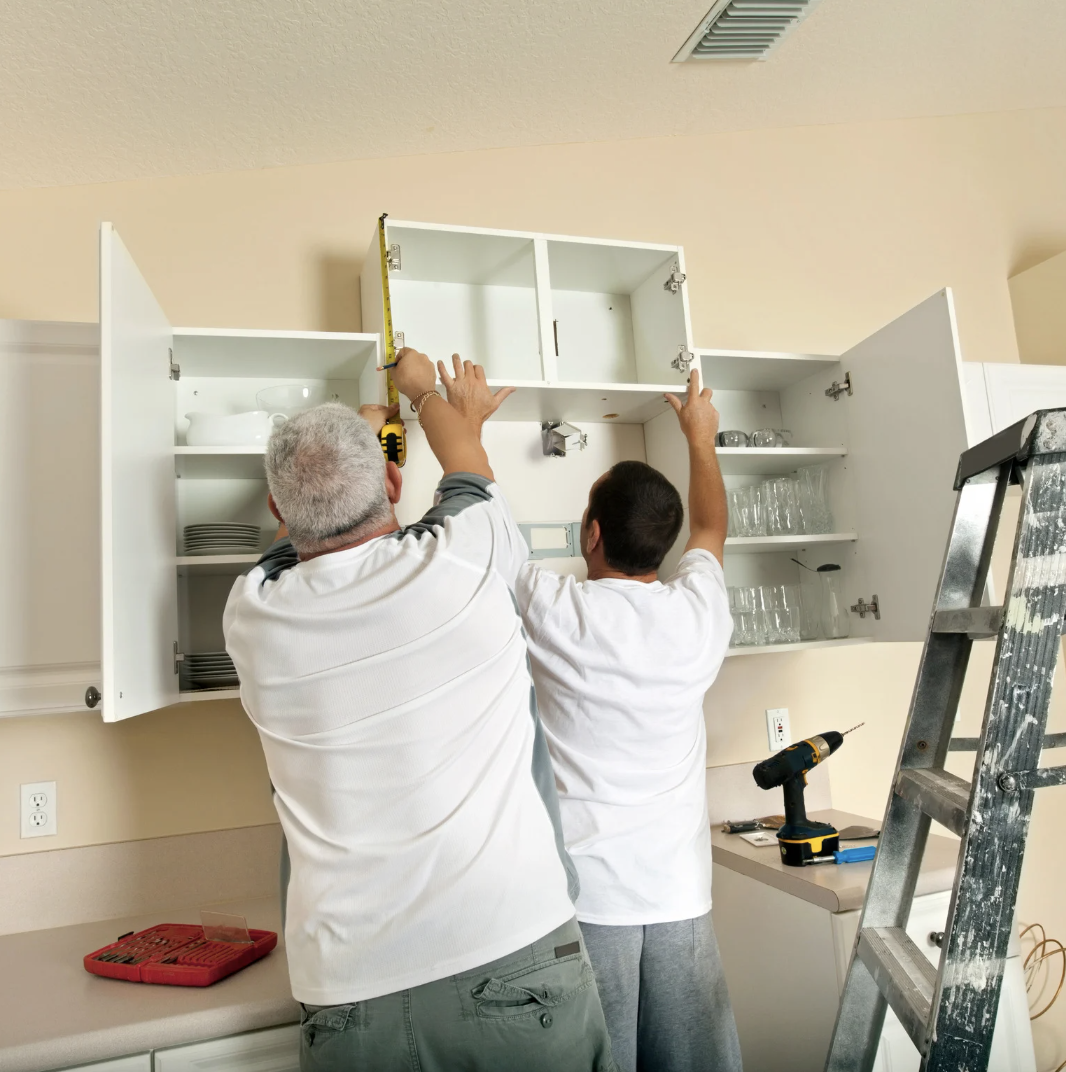
Seeing the dramatic transformations that can be achieved through kitchen remodeling can be incredibly inspiring. One popular example is the conversion of an outdated, cramped kitchen into a spacious, modern culinary haven. Before the remodel, the kitchen might have featured dark, worn-out cabinets, limited counter space, and outdated appliances. By removing a wall to create an open-concept layout, installing sleek, white cabinetry, and incorporating state-of-the-art appliances, the space can be completely transformed into a bright, airy, and functional kitchen that is perfect for both cooking and entertaining.
Another inspiring transformation involves updating a traditional kitchen with contemporary elements while preserving its classic charm. For instance, an older kitchen with wooden cabinets and vintage fixtures can be revitalized by painting the cabinets a fresh, neutral color, adding modern hardware, and installing a stylish backsplash. New countertops made from durable materials like quartz or granite can replace worn surfaces, and updated lighting fixtures can enhance the overall ambiance. This blend of old and new creates a timeless kitchen that combines the best of both worlds.
A more ambitious transformation might involve reconfiguring the layout to improve functionality. For example, relocating the sink or stove to create a more efficient work triangle, adding an island for additional workspace and storage, and incorporating a built-in pantry can make a significant difference. These changes not only enhance the usability of the kitchen but also provide a more organized and visually appealing space. By exploring these inspiring before-and-after transformations, you can gather ideas and motivation for your kitchen remodel, envisioning the possibilities for your own home.
Transforming your kitchen into a dream space is an exciting and rewarding endeavor. By exploring the latest design trends, carefully budgeting, and prioritizing functionality, you can create a kitchen that meets your needs and reflects your personal style. Choosing the right materials, incorporating smart technology, and embracing eco-friendly practices can further enhance the beauty and efficiency of your kitchen, making it a space that you and your family will enjoy for years to come.
Hiring the right contractor is essential to bringing your vision to life. Take the time to research and select a professional who has the experience, skills, and communication style that align with your project goals. With the right team in place, you can navigate the remodeling process with confidence and achieve the stunning results you desire.
Finally, let the inspiring before-and-after transformations of other New Jersey homes motivate you to embark on your own kitchen remodel journey. By taking a thoughtful, informed approach, you can turn your kitchen into the heart of your home, a place where memories are made and cherished. Whether you are updating a small space or undertaking a complete overhaul, your dream kitchen is within reach, ready to enhance your lifestyle and elevate your home.


